Cardano (ADA) had been on my radar since the start of 2021. I had watched several videos on it and was genuinely interested in the thesis: that it could address some of the scalability and transaction-cost problems Ethereum was facing. I wanted to buy when it was in the $0.20 range.
I did not. By the time I actually pulled the trigger, it was at $0.42, almost double where I had intended to buy. Classic.
The more interesting part of this story is how complicated it was to buy Cardano from Singapore at the time.
The exchange problem
I already had a Coinhako account for buying Bitcoin and Ethereum, but Cardano was not listed there. I tried Crypto.com, but it was not accepting new accounts from Singapore. I opened a Gemini account, but made the mistake of opening the local version, which did not support Cardano either.
Eventually I opened a Binance account, making sure it was the international version and not Binance Singapore.
The process
In February 2021, with Coinhako and Gemini linked to my local bank accounts and Binance kept for crypto-to-crypto trading only, these were the steps I followed:
Step 1: Transfer SGD to Coinhako or Gemini by local bank transfer.
Step 2: Buy Bitcoin on Coinhako or Gemini.
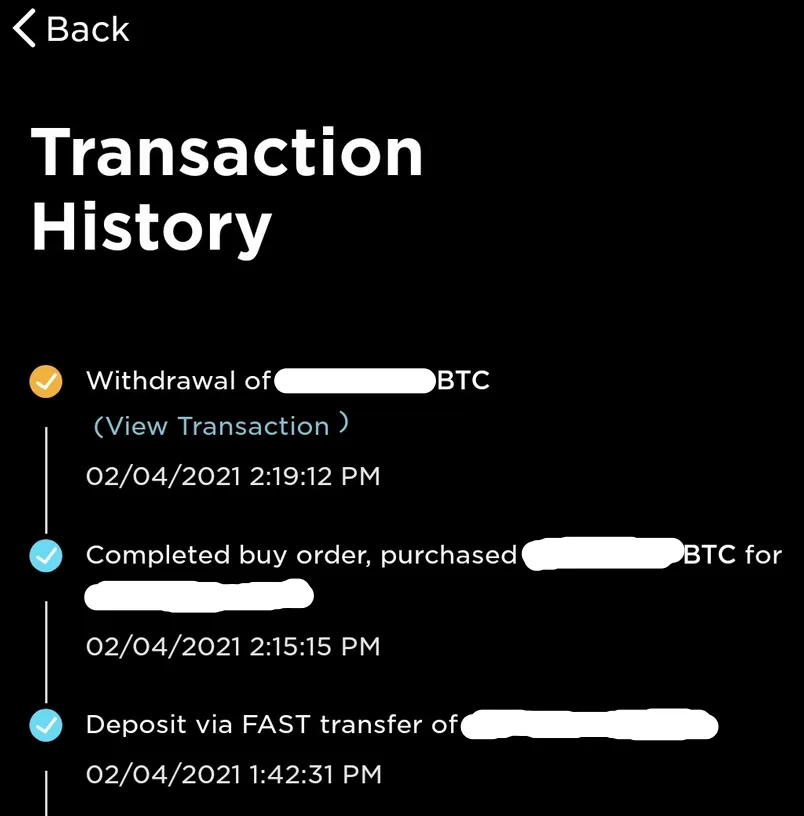
Step 3: Create a Bitcoin deposit address in Binance (Wallets → Deposit → BTC) and transfer the Bitcoin across.
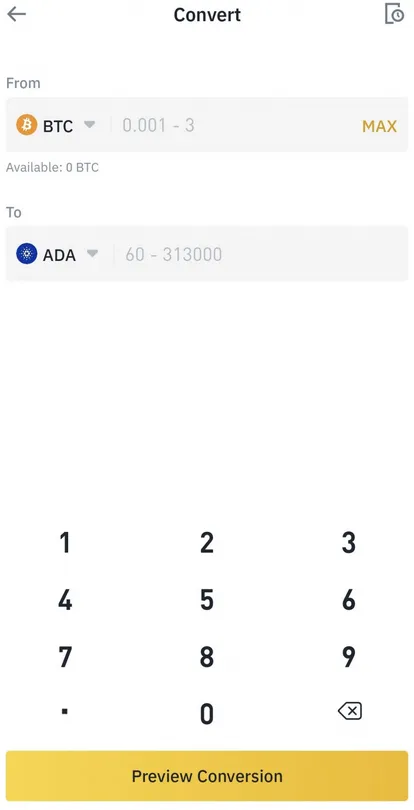
Step 4: Convert Bitcoin to Cardano on Binance (Trades → Convert).
Step 5: Transfer the Cardano to a hardware wallet (BC Vault).
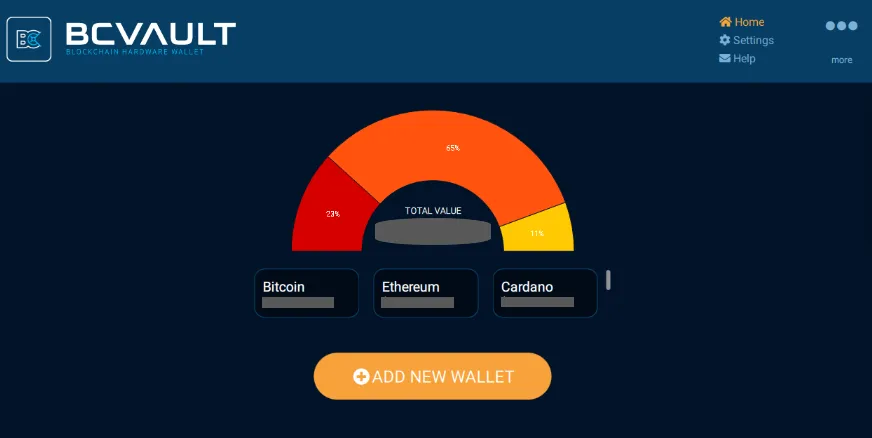
There are almost certainly faster ways to do this. But this was the route I found that worked, and moving the coins off the exchange and onto a hardware wallet at the end felt like the right call for anything I intended to hold long term.
As of February 2021: bought at $0.42, sitting in cold storage. The plan is to hold.
This is not financial advice. Crypto is highly volatile. Please do your own research and only invest what you can afford to lose entirely.