In late December 2009, I made my first trip to China. I flew alone from Singapore to Chongqing, where I met up with my girlfriend at the time. We travelled together during the rest of the trip, including visits to Chengdu, Leshan and Mount Emei.
Looking back after almost seventeen years, I realise how much of that journey I’ve forgotten. But a few small experiences have stayed with me, and the photographs have helped bring back places whose details had faded.
Chongqing at Christmas
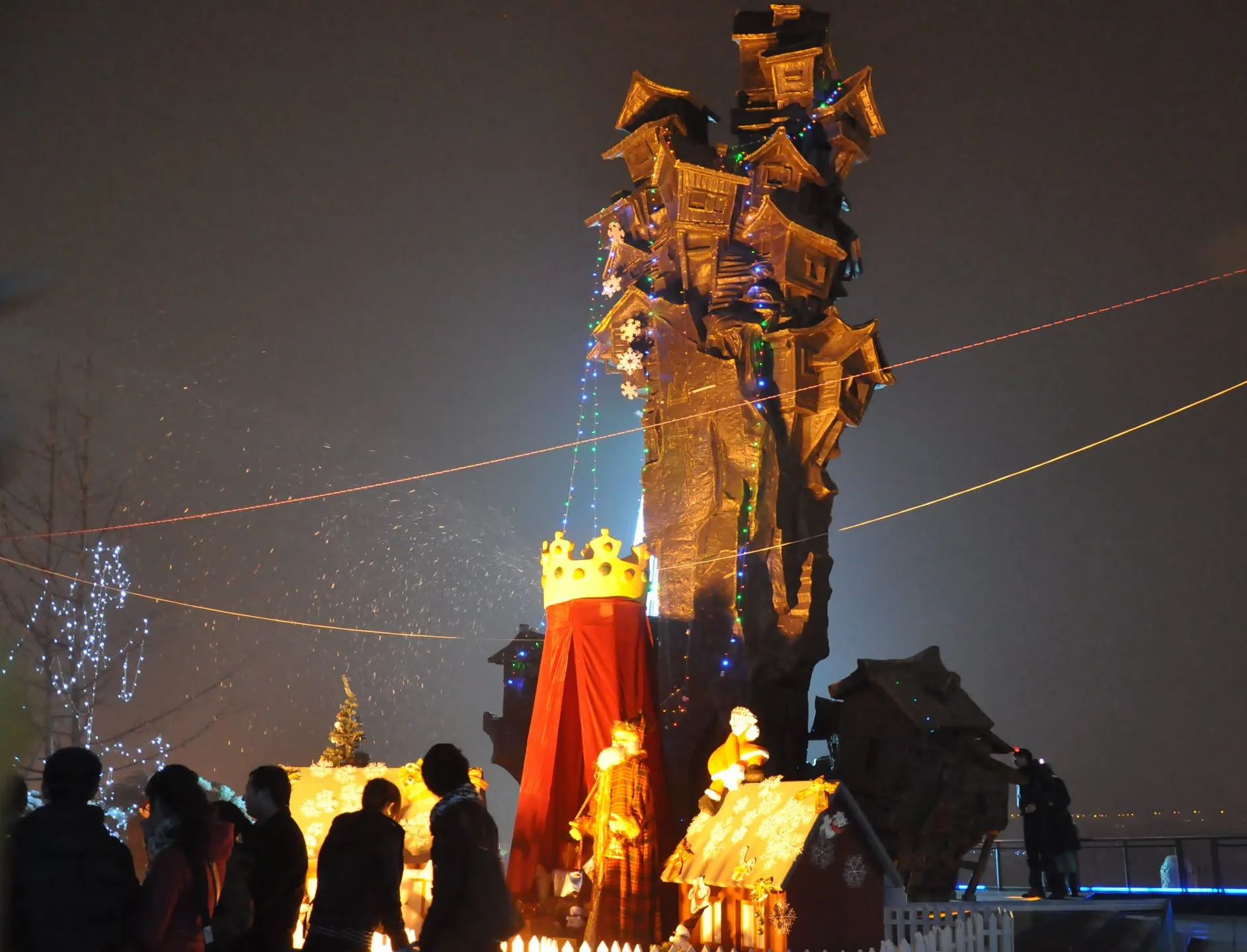
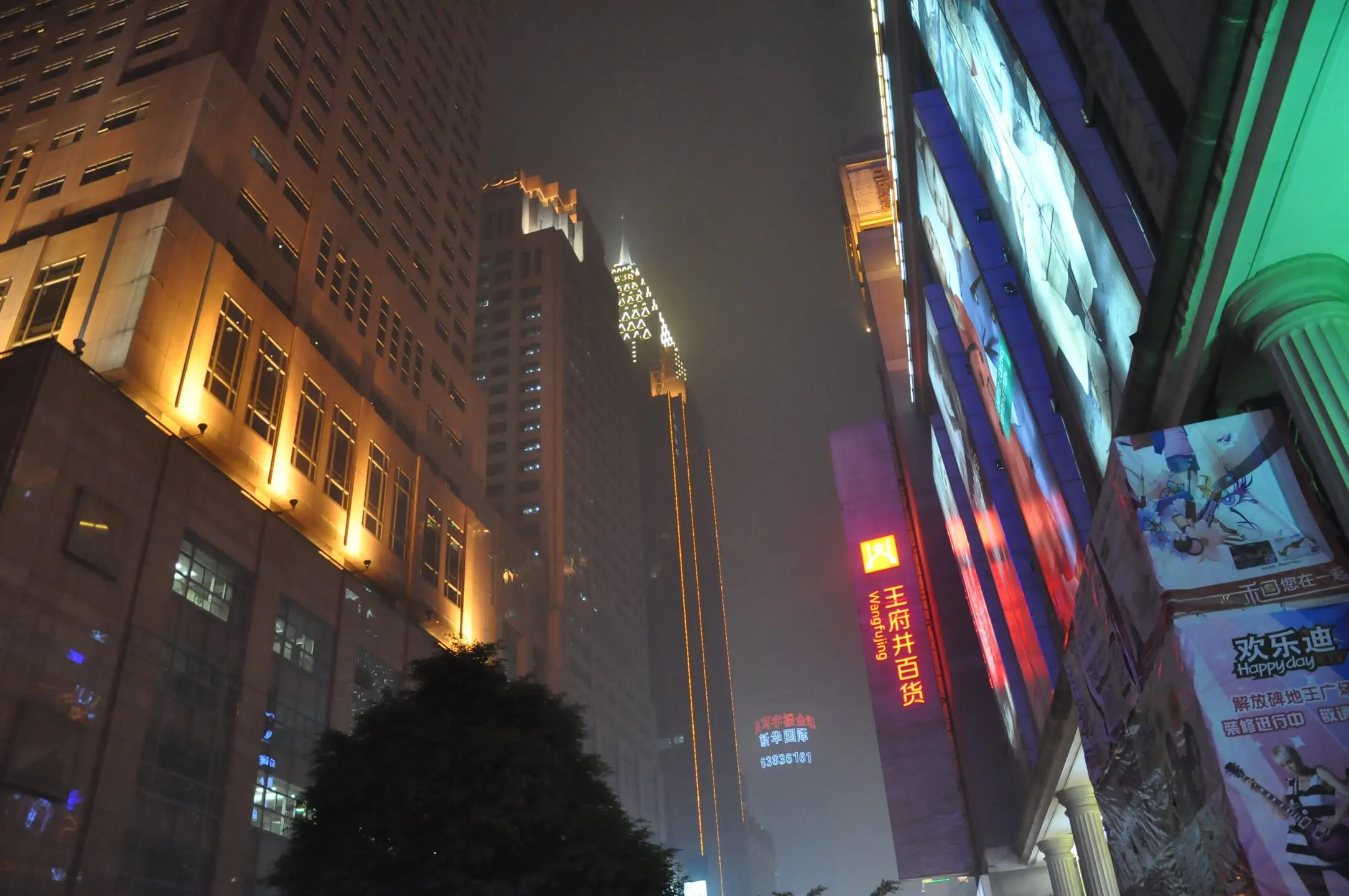
My photographs show Chongqing during the Christmas season, with decorations and concert banners around the city.
One photograph shows the Great Hall of the People, with a banner advertising a Christmas concert. Another shows People’s Square, where a large advertisement announces a concert welcoming the New Year in 2010.
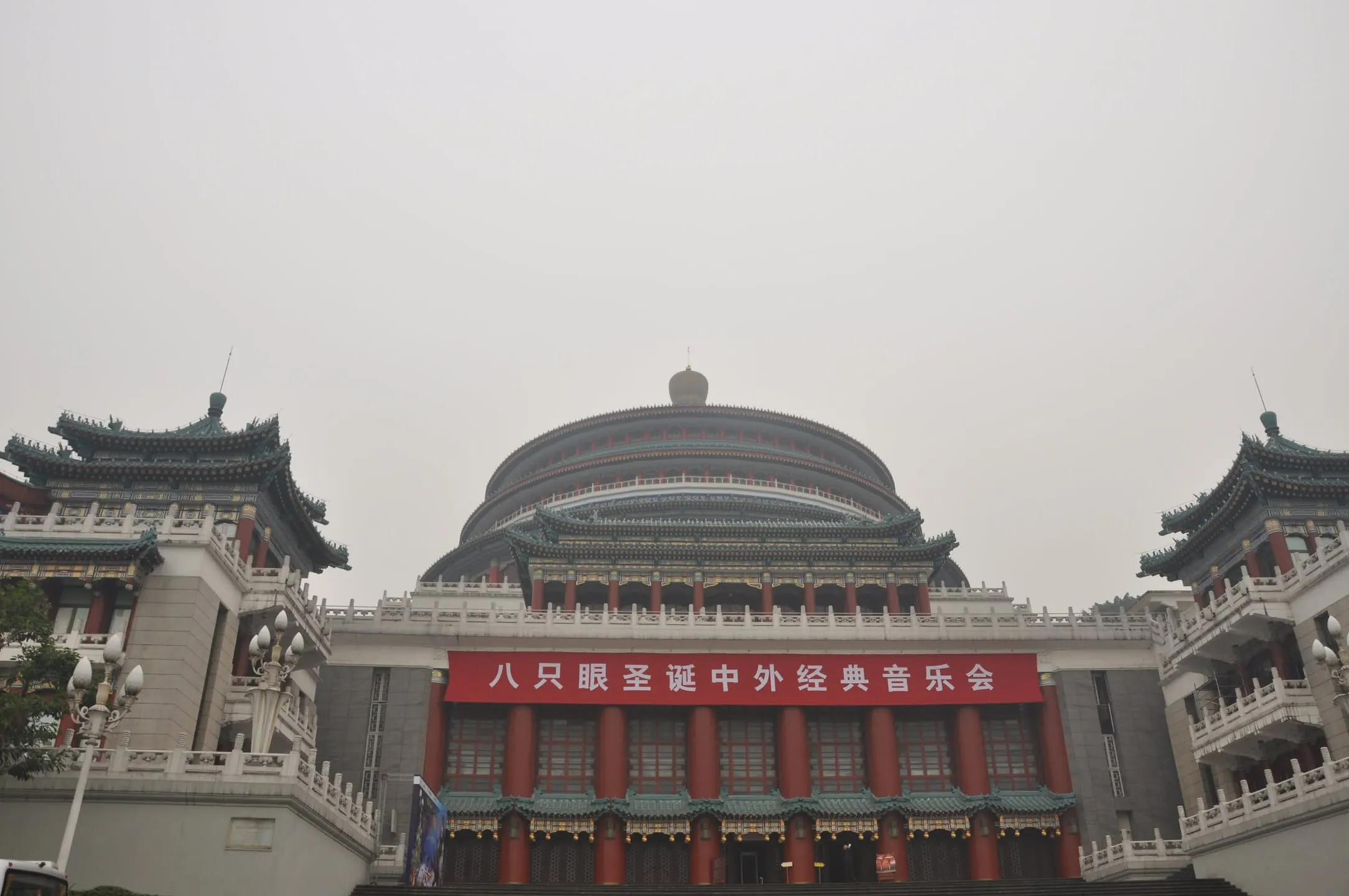
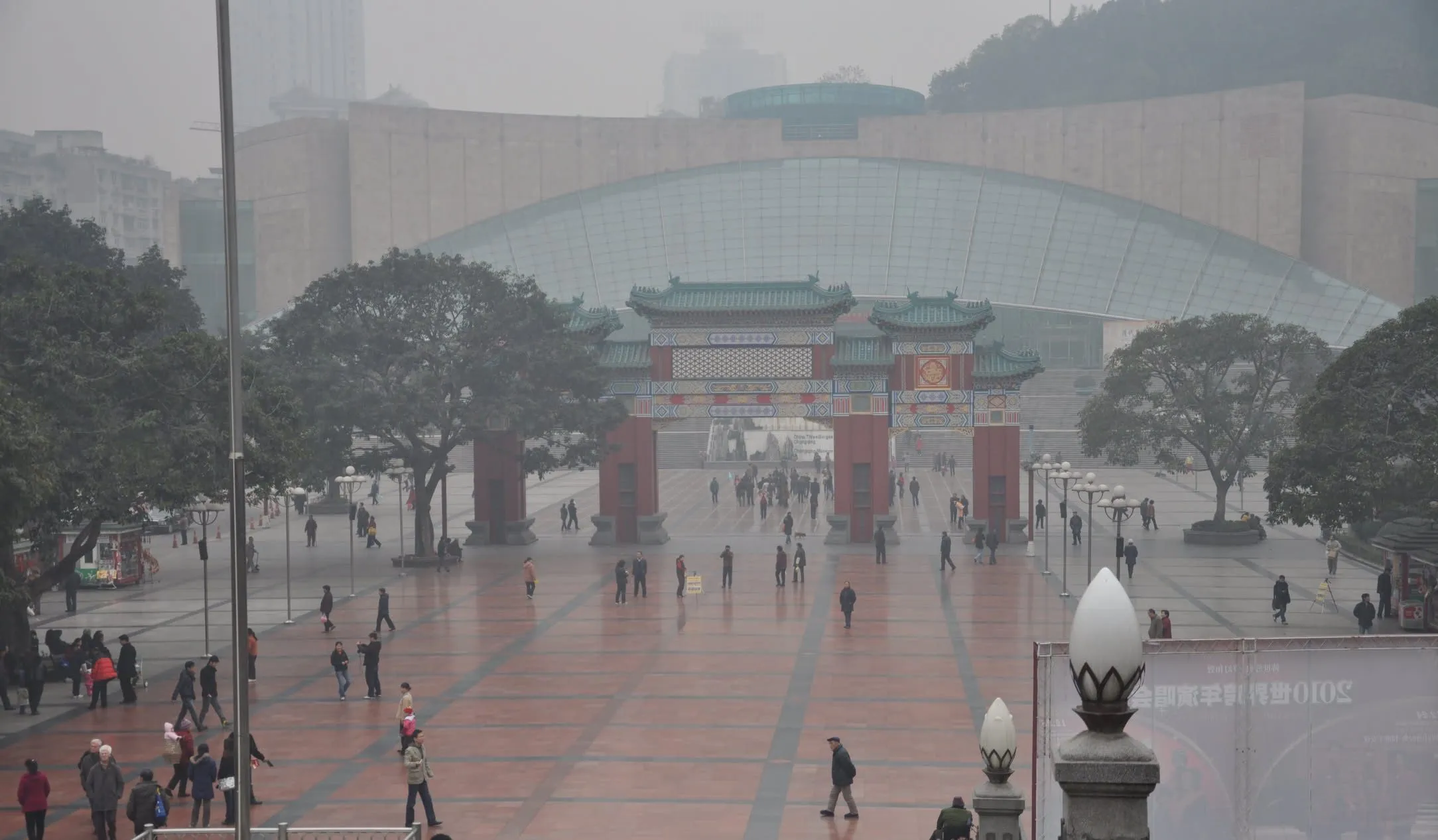
Those little details have helped me establish when the trip actually happened. For years, I had labelled the photographs as 2008, but looking at them again made me realise the journey was around Christmas 2009.
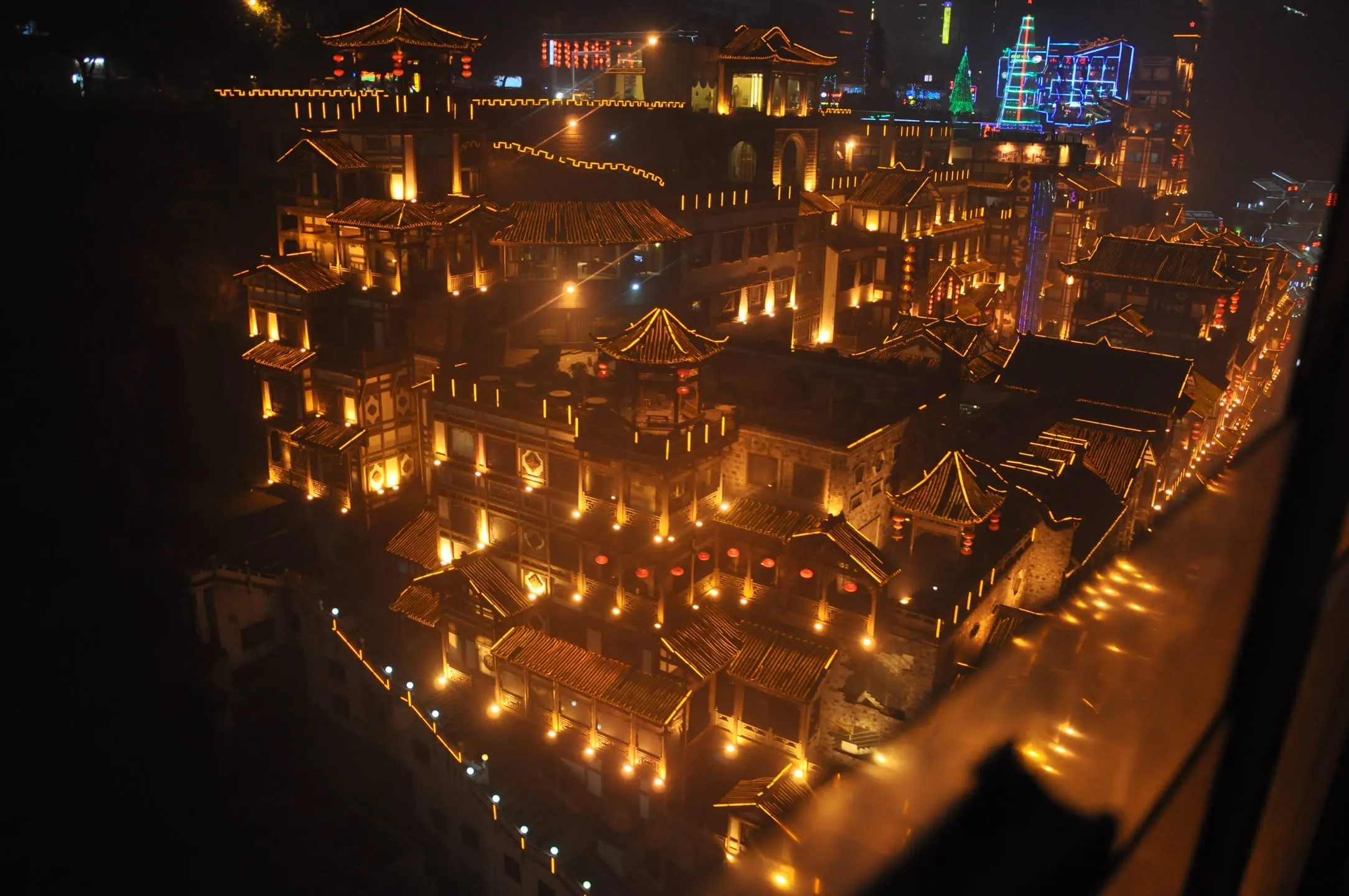
In the evening photographs, Hongyadong is illuminated against the night sky. Its buildings appear stacked above the road, with rows of golden lights outlining the traditional architecture.
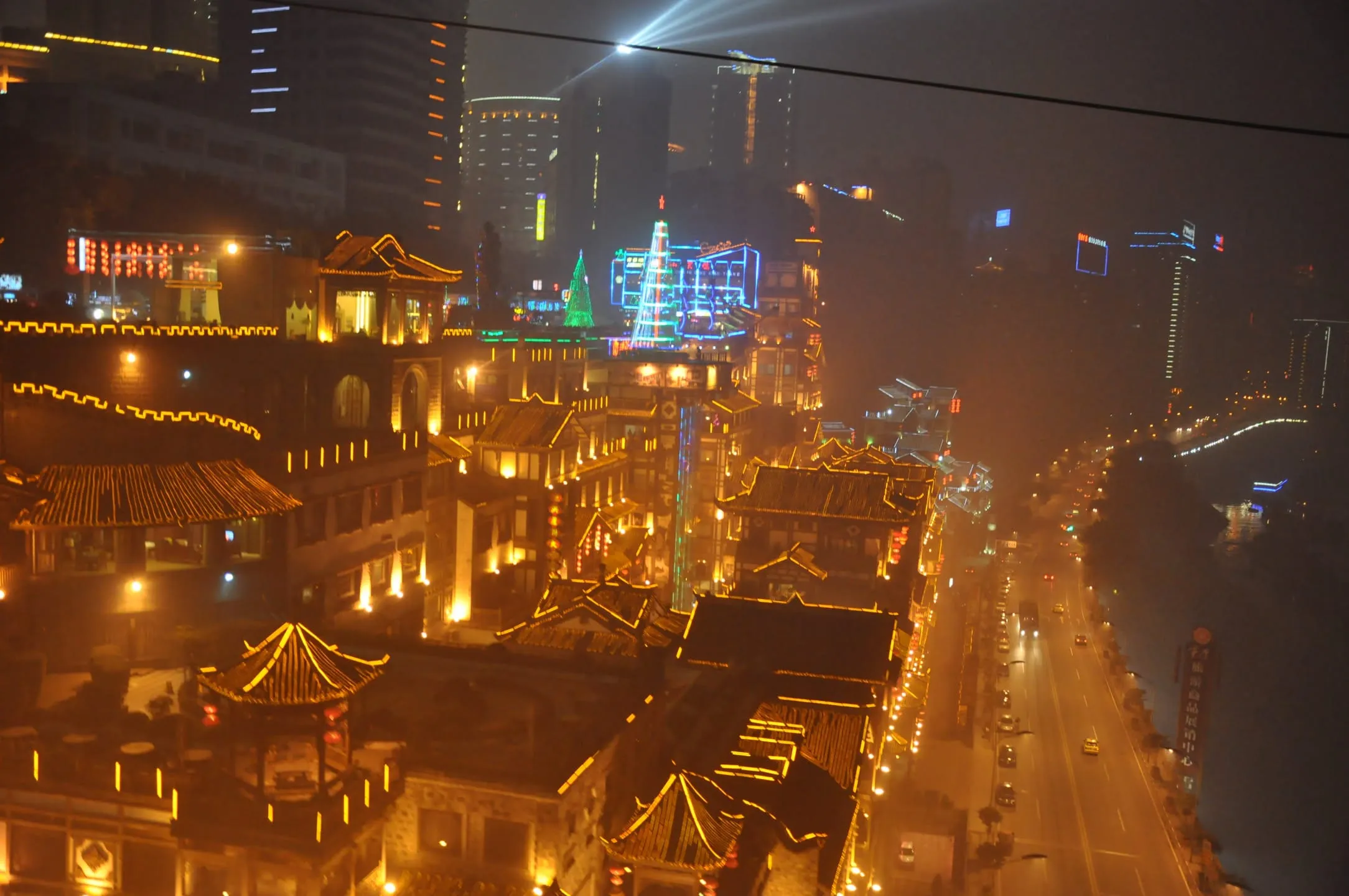
I don’t remember every place we walked through that evening, but I remember the experience of visiting China for the first time. The photographs remind me how much of Chongqing we managed to see.
A language barrier and a small act of honesty
One thing I do remember clearly is how difficult the language could be.
During my time in Chongqing, I helped an elderly grandmother buy medicine from a neighbourhood pharmacy.
The lady at the counter told me the price was 3 RMB. I misunderstood her and handed over 30 RMB instead.
She returned the extra money.
It sounds like such a small incident now, but I’ve remembered it all these years. I was travelling in a country where I couldn’t communicate easily, and that simple exchange left me with a very good impression of the neighbourhood.
It wasn’t a famous attraction or anything I had planned to experience. It was just an ordinary moment that stayed with me.
A meal I haven’t forgotten
Not all my memories of Chongqing were quite so pleasant.
One day, after eating fish, I developed a bad allergic reaction.
I can’t remember the restaurant or exactly what happened afterward, but I remember the experience well enough that it has never completely faded.
Food was certainly part of the journey. Looking through the photographs, there are several pictures of hot pot, including one with the familiar divided pot.
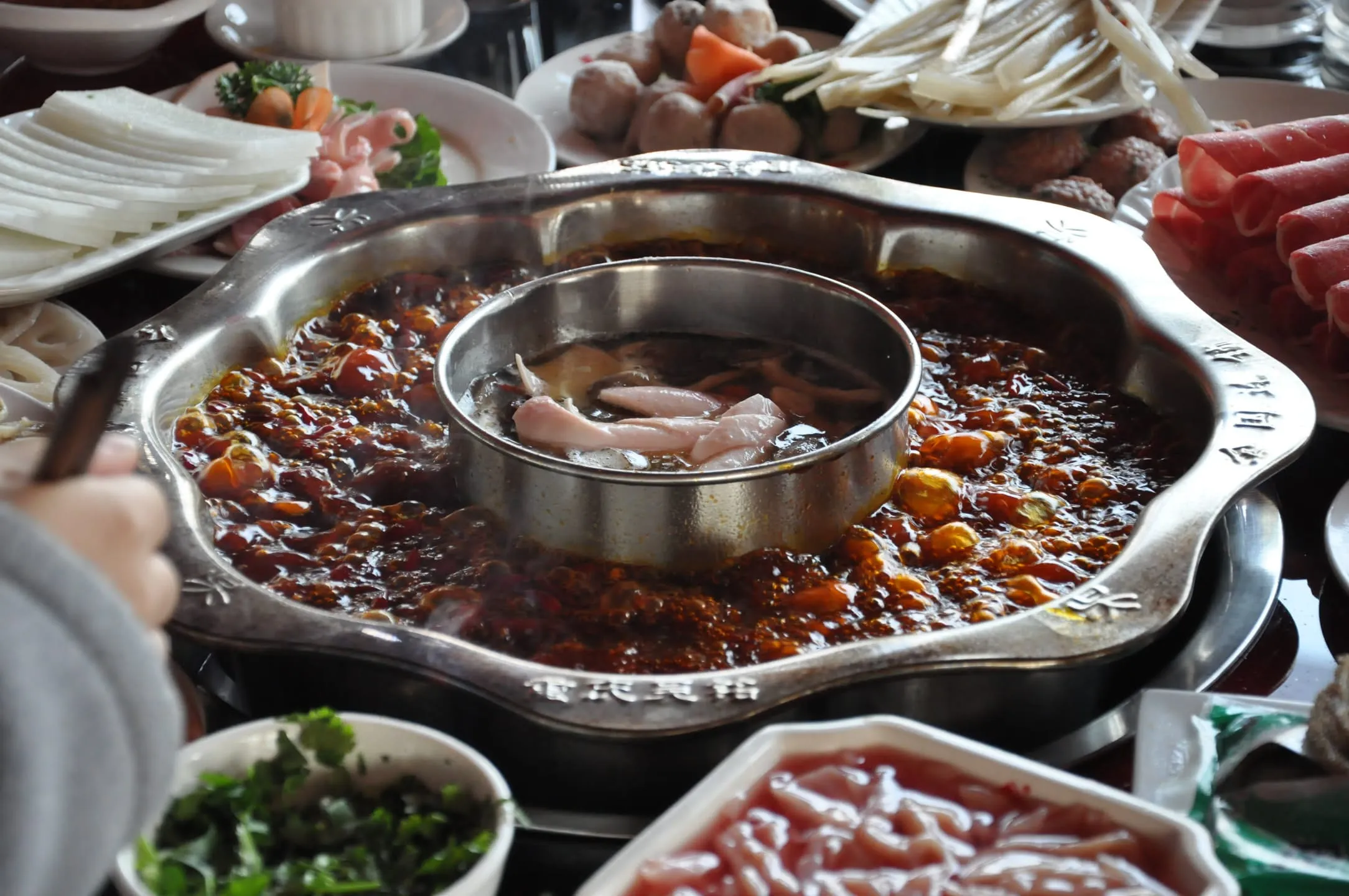
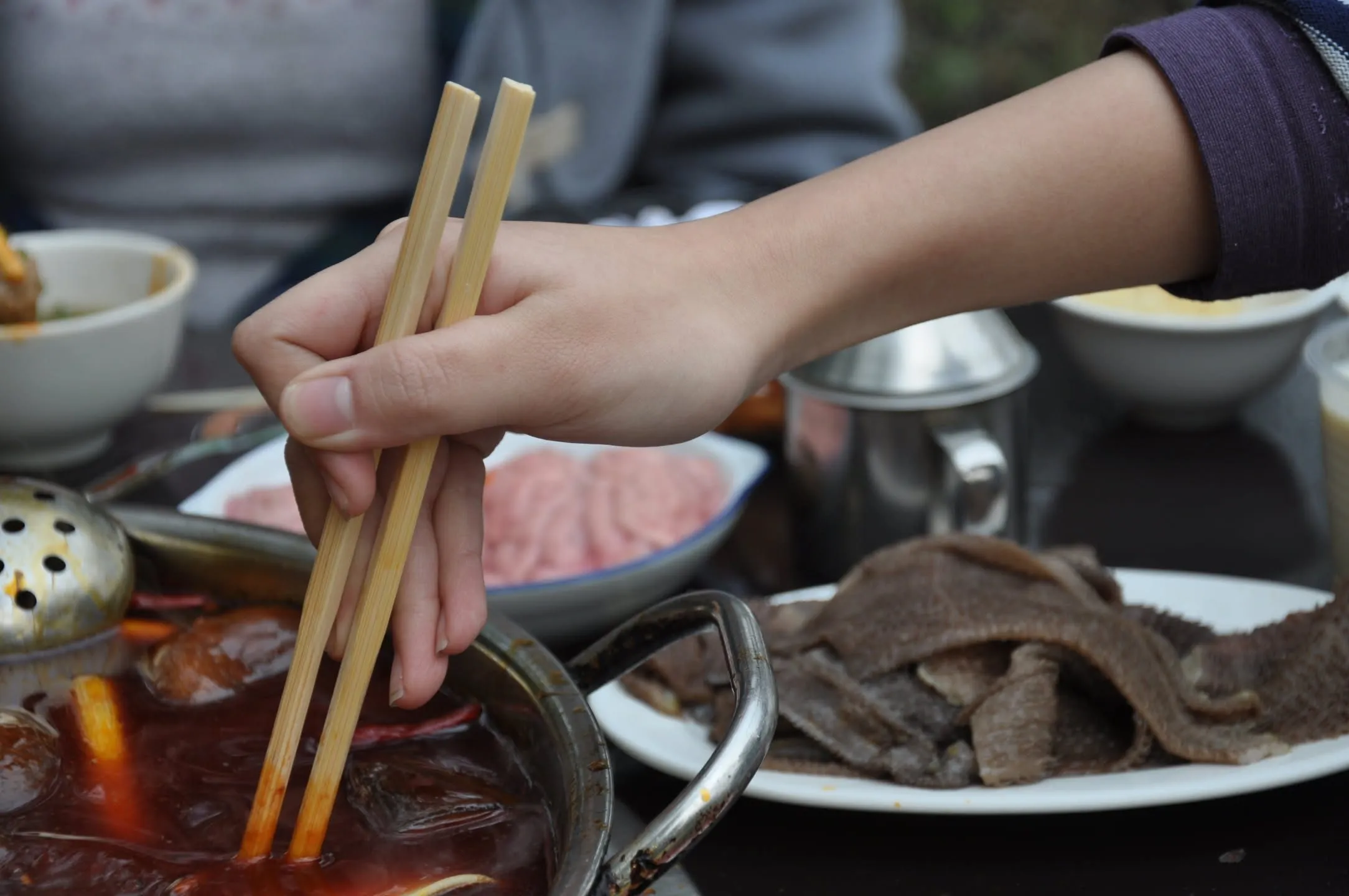
I can’t confidently place every meal or remember what we ordered, so I’ll let the photographs speak for that part of the trip.
Laojundong, a temple on the hillside
Another set of photographs led me back to a place whose name I wouldn’t have remembered on my own: Laojundong.
The pictures show a Taoist temple on a hillside in Chongqing, with an incense burner, stone carvings and a painted gateway.
One of the signs identifies a hall containing Ming dynasty stone carvings.
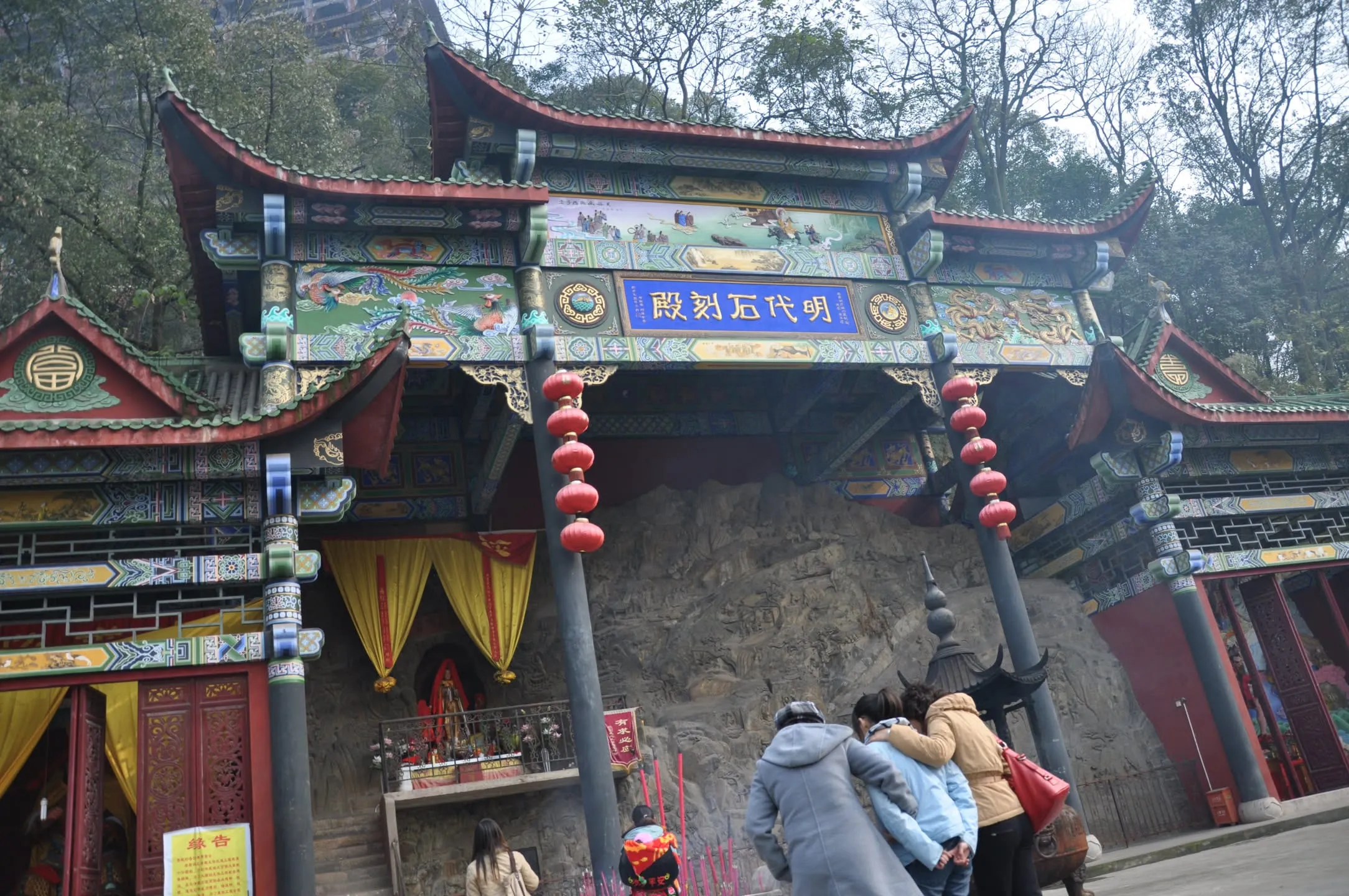
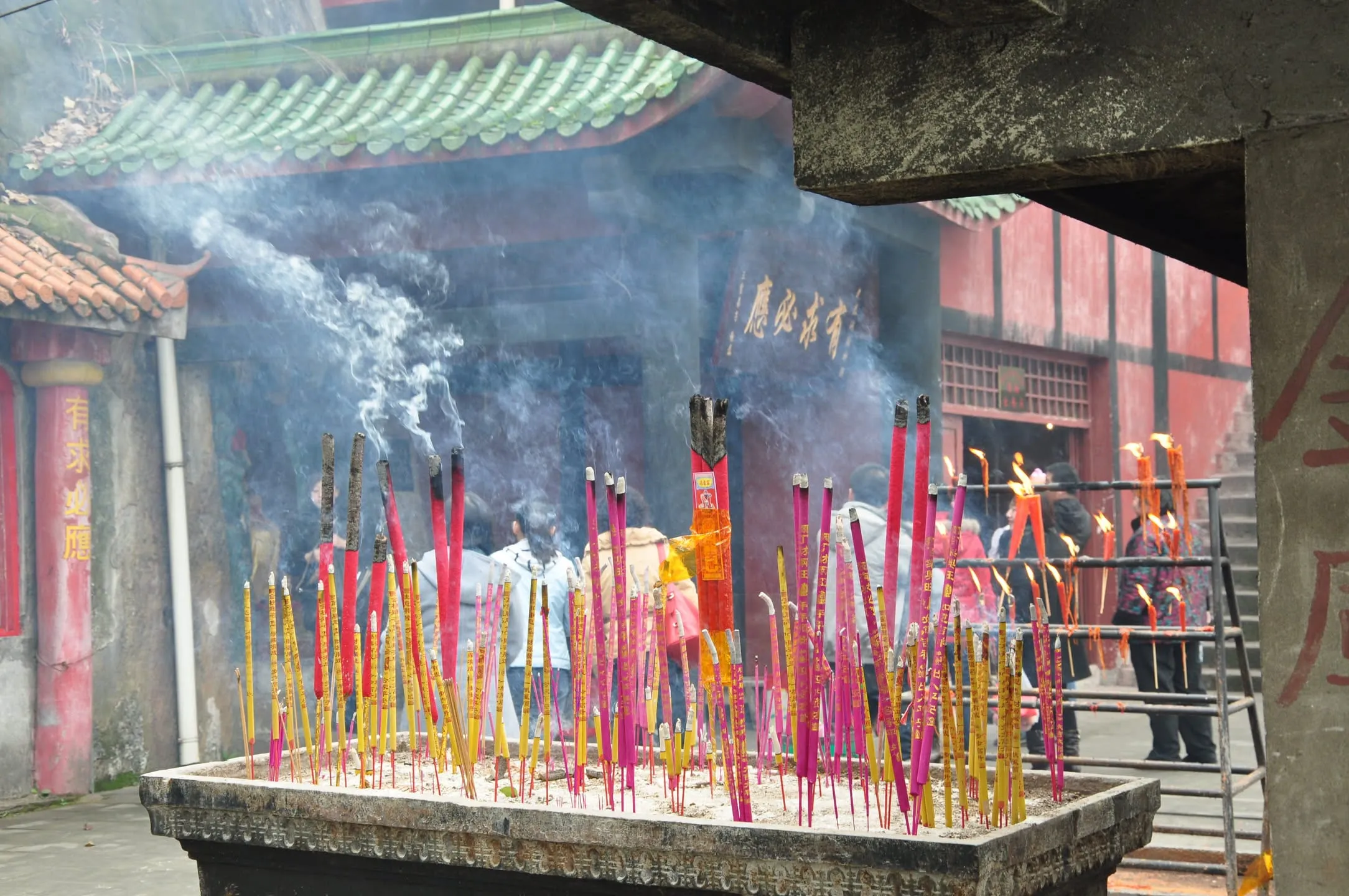
I don’t have a particular story to tell about that visit. But looking at those photographs today, I’m glad I captured the temple and some of its smaller details.
They show another side of Chongqing beyond the busy streets and illuminated buildings.
Looking back
When I think about my first days in China, two things stand out.
One was the difficulty of communicating in an unfamiliar language. The other was how a simple act of honesty at a neighbourhood pharmacy could leave such a lasting impression.
The photographs bring back Chongqing’s streets, Hongyadong at night, the food and the temples. But the pharmacy incident is something I remember without needing a photograph.
From Chongqing, our journey continued to other places in Sichuan, including Leshan and Mount Emei.
Those visits would leave me with another memory that has stayed with me ever since.